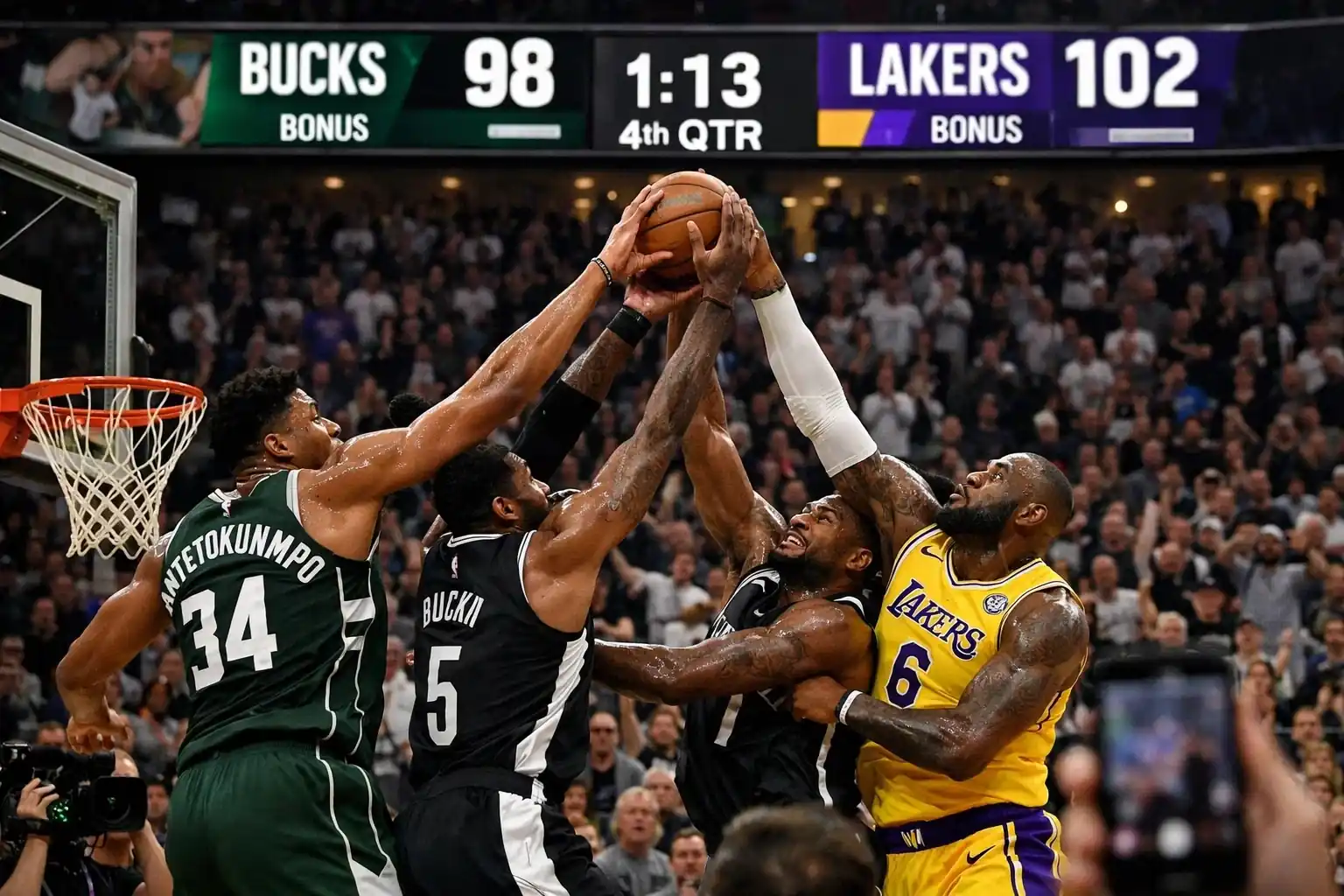
NBA Parlay Betting: Structuring High-Payout Multi-Bets
 Available in US

Parlays occupy a peculiar space in sports betting. They represent the worst mathematical proposition for most bettors, yet they remain among the most popular bet types at every sportsbook. The allure is undeniable: turn a small stake into a substantial payout by stringing together multiple correct picks. The reality is that parlays overwhelmingly favor the house, which is precisely why sportsbooks promote them so aggressively. Understanding when parlays make sense and when they drain your bankroll separates sophisticated bettors from those funding casino profits.
The NBA offers particularly fertile ground for parlay betting because of its high game volume and the proliferation of same game parlay options. A typical night features six to twelve games, each with dozens of available markets that can be combined into multi-leg tickets. This variety creates both opportunity and trap. More combinations mean more chances to construct intelligent parlays, but also more ways to build losing tickets that feel good but carry negative expected value.
This guide breaks down parlay mechanics, identifies scenarios where parlays can offer genuine value, and provides frameworks for avoiding the most common pitfalls. The goal is not to convince you that parlays are secretly profitable in most situations, because they are not. Instead, you will learn to recognize the narrow circumstances where parlay betting makes strategic sense and to construct your tickets accordingly.
Adding individual performance milestones to your ticket requires a deep understanding of profitable NBA player props strategies to ensure long-term success.
Structuring Correlated NBA Parlay Betting Tickets
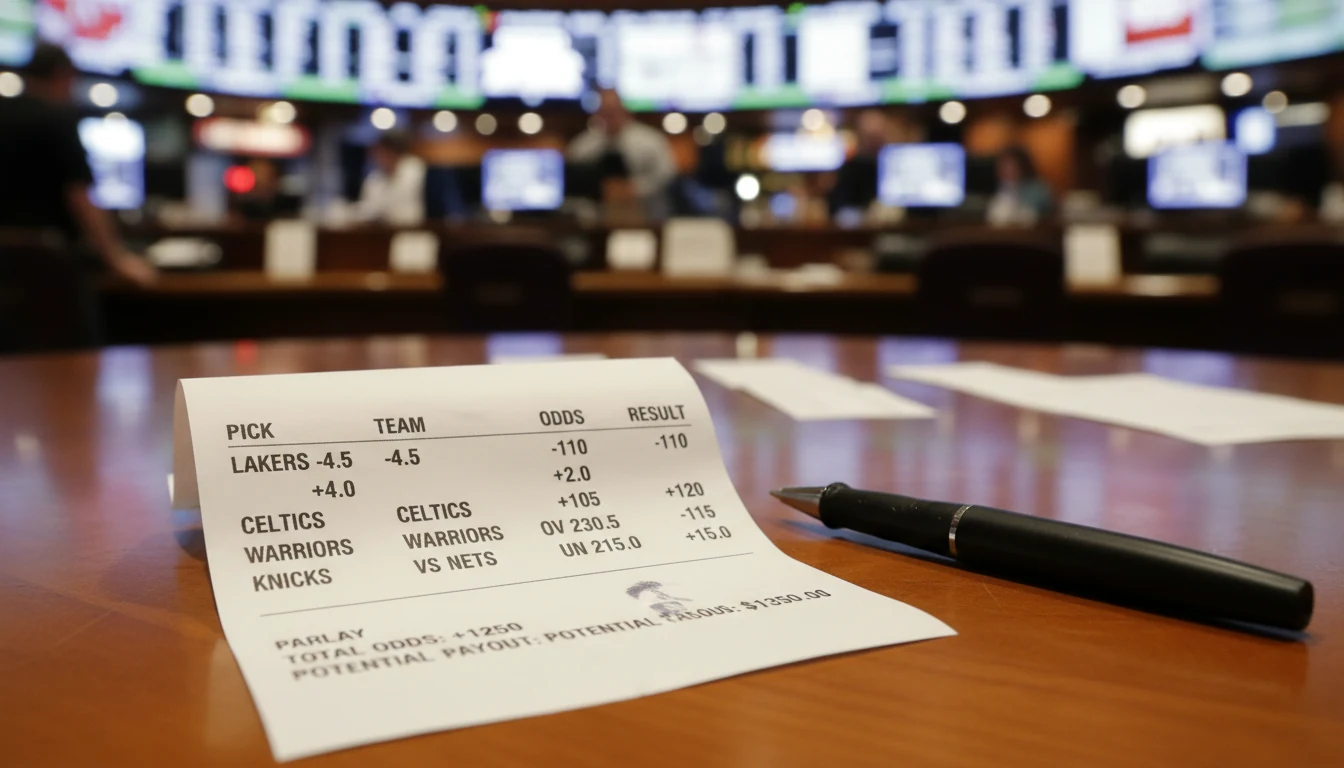
Traditional Parlays Versus Same Game Parlays
Traditional parlays combine selections from different games into a single wager. If you like the Celtics spread, the Lakers moneyline, and the Nuggets-Suns over, you can bundle all three into one ticket. Every leg must win for the parlay to pay; a single loss voids the entire bet. The payout reflects the combined odds of all selections, minus the sportsbook’s margin.
Same game parlays, often abbreviated as SGPs, combine multiple selections from a single contest. You might pair a team’s spread with a player’s points over and the game total under, all within one Knicks-Heat matchup. SGPs have exploded in popularity since their mainstream introduction around 2019, now representing a significant portion of sportsbook handle. The appeal is constructing a narrative around a single game: if you believe the Knicks will win a defensive grind, you can express that view through correlated legs.
The crucial difference lies in correlation pricing. Traditional parlays assume independence between legs, simply multiplying the implied probabilities. SGPs must account for the fact that legs often move together. If you bet the over on total points and the over on a player’s scoring line, those outcomes correlate positively. Sportsbooks apply correlation penalties that reduce your payout compared to what true parlay math would suggest. How aggressively books penalize correlations varies significantly, creating shopping opportunities for attentive bettors.
How Parlay Odds Are Calculated
Parlay odds multiply the decimal equivalents of each leg’s odds. A two-leg parlay combining -110 favorites converts each leg to 1.909 in decimal odds, then multiplies: 1.909 times 1.909 equals 3.64, meaning a successful $100 bet returns $364 (your stake plus $264 profit). Each additional leg multiplies the potential return but also multiplies the probability of failure.
The math gets treacherous quickly. A three-leg parlay of -110 favorites pays roughly +596, but the break-even win rate approaches 35% despite each individual leg having only about 52% implied probability. You need to win all three at a combined rate that accounts for the compounding effect. Most bettors dramatically underestimate how difficult this becomes as legs increase.
Sportsbooks build their edge into each leg individually, then that edge compounds across the parlay. If each -110 leg carries roughly 4.5% house edge, a three-leg parlay does not simply triple that disadvantage, it compounds exponentially. This mathematical reality is why long-shot parlays with five, six, or more legs almost never represent positive expected value regardless of how confident you feel about individual selections.
Pros and Cons of Parlay Betting

The Case for Parlays
Parlays offer leverage that straight bets cannot match. A bettor with a small bankroll who identifies strong edges on multiple games can express those convictions with amplified returns. Rather than grinding out small profits across individual wagers, a well-constructed parlay can generate significant winnings from limited capital. For recreational bettors seeking entertainment value, parlays provide excitement that a single -110 spread bet simply cannot match.
Correlated parlays can occasionally offer genuine mathematical edge. When two outcomes are positively correlated but the sportsbook fails to adequately adjust the combined odds, the parlay becomes a value bet. Identifying these situations requires understanding both the true correlation between legs and how aggressively the book is discounting that correlation. Sophisticated bettors hunt specifically for these mispriced correlations rather than building random multi-leg tickets.
Bankroll preservation through selective parlay use can make sense in specific contexts. If you have strong opinions on three games but want to limit your risk exposure to a single unit, a parlay achieves that goal. You either win big or lose one unit rather than potentially losing three units on three separate straight bets. This risk management application has legitimate strategic value for certain betting approaches.
The Case Against Parlays
The house edge compounds devastatingly across multiple legs. Every leg you add multiplies the sportsbook’s advantage, making long parlays among the worst bets in the entire casino ecosystem. A six-leg parlay might offer an enticing +4000 payout, but the true probability of hitting usually falls well short of what those odds imply. Sportsbooks love parlay bettors precisely because the mathematics so heavily favor the house.
Variance increases dramatically compared to straight betting. Even a skilled bettor with genuine edge on individual selections will experience brutal losing streaks when combining those selections into parlays. The emotional and bankroll damage from a string of near-miss parlays, where four of five legs hit, often pushes bettors toward destructive chase behavior.
The entertainment value argument, while valid, masks the true cost. Paying for entertainment is fine when you understand you are paying. Most parlay bettors convince themselves they are making smart plays when they are actually purchasing expensive lottery tickets. Intellectual honesty about which category your parlays fall into protects both your bankroll and your analytical development.
Building Smart NBA Parlays

Correlated Selections
The foundation of intelligent parlay construction is understanding which outcomes move together. Correlated selections share underlying drivers that make them more likely to co-occur than independent probability would suggest. When the Celtics play fast and shoot well, their team total goes over, their stars exceed scoring lines, and they likely cover the spread. These outcomes connect through a common factor: Boston playing well offensively.
Positive correlation creates parlay value when sportsbooks underprice the relationship. Combining a team spread with that team’s star player scoring over makes intuitive sense. If the star goes off for 35 points, his team probably wins by a comfortable margin. The question is whether the parlay odds adequately reflect this correlation or whether the book has left value on the table. Different sportsbooks apply correlation adjustments with varying aggressiveness, making comparison shopping essential.
Negative correlation should generally be avoided in parlays. Betting the under on game total while taking a player’s scoring over creates tension between legs. Low-scoring games typically mean someone is struggling offensively. Your parlay needs the unusual scenario where the game stays low-scoring despite your player putting up big numbers, which requires his teammates to underperform dramatically. These contradictory parlays occasionally hit but carry systematically negative expected value.
Avoiding Uncorrelated Lottery Ticket Parlays
The most common parlay mistake is combining unrelated selections simply because you like each one individually. Putting the Celtics spread with the Kings moneyline with the Thunder-Pelicans over creates a three-leg parlay where each leg operates independently. No shared logic connects them. You are simply multiplying your opinions and hoping everything hits.
These lottery ticket parlays are exactly what sportsbooks want you to build. Each leg carries house edge, and those edges compound when the selections lack positive correlation that might offset the mathematical disadvantage. The sexy payout obscures the grim reality that you are taking the worst of it on every component.
Discipline means accepting that not every strong opinion should be parlayed. If you genuinely have edge on three independent games, bet them straight. You will win some and lose some, but the mathematical expectation is better than combining them into a parlay where one bad beat voids your other correct picks. Reserve parlay structures for situations where correlation creates value or where your risk management goals specifically call for the leverage parlays provide.
Optimal Leg Counts
Two-leg parlays represent the sweet spot for most strategic parlay betting. The house edge multiplication remains manageable, correlation opportunities are easier to identify, and variance stays within reasonable bounds. A two-leg correlated parlay where you have genuine edge on both selections can represent positive expected value when the correlation discount is soft.
Three-leg parlays push into marginal territory. You need meaningful edge on each leg plus favorable correlation treatment to overcome the compounding house advantage. Most three-leg parlays fall into the entertainment category even when the individual selections have merit. Accepting this reality prevents self-deception about expected profitability.
Four legs and beyond almost never make strategic sense. The mathematics become overwhelming regardless of your handicapping skill. Five-leg parlay promotions and odds boosts can occasionally create positive expected value through promotional equity, but the underlying bet structure remains fundamentally disadvantageous. Building four-plus leg parlays as a regular strategy guarantees long-term losses regardless of your selection quality.
Same Game Parlay Strategy
Best Legs to Combine
Effective SGPs start with a game thesis, a specific vision of how the contest will unfold. If you expect a fast-paced shootout, your legs should all benefit from that scenario: game total over, both teams covering high spreads, star players exceeding scoring lines. The narrative coherence of your SGP determines whether you are making a coordinated bet or randomly clicking boxes.
Player props combine naturally with game outcomes in SGPs. A star player’s scoring over pairs logically with his team winning or covering. The player performing well contributes directly to the team outcome. This positive correlation makes such combinations sensible from a handicapping perspective, though the sportsbook’s correlation penalty determines whether value exists.
Stacking multiple player props from the same team creates interesting SGP opportunities. If you believe the Suns will dominate offensively, combining scoring overs for two or three Phoenix players concentrates your bet on that thesis. When Phoenix explodes, all legs hit simultaneously. The risk is that a single team’s poor offensive night tanks your entire ticket, but that concentration reflects your conviction if you genuinely believe the blowout is coming.
Understanding Correlation Penalties
Sportsbooks apply correlation adjustments that reduce SGP payouts compared to what standard parlay math would produce. The adjustment reflects the statistical relationship between legs. Strongly correlated combinations receive heavier penalties because the book recognizes those legs will frequently win or lose together.
Penalty severity varies significantly across sportsbooks. Some books apply aggressive correlation discounts that essentially eliminate any potential edge from combining related legs. Others use softer adjustments that leave value for sharp bettors who understand the true correlation strength. Shopping SGPs across multiple books can yield dramatically different payouts for identical combinations.
The key insight is that correlation penalties are estimates. Sportsbooks use models to approximate how legs relate, but those models are imperfect. When you have superior information about how specific players or teams interact in particular situations, you can identify SGPs where the book’s correlation adjustment misses the true relationship. These informational edges represent the narrow path to SGP profitability.
SGP Tools and Calculators
Several third-party tools help evaluate SGP value by estimating fair odds before correlation adjustments. These calculators take your selected legs, compute the theoretical parlay odds, and compare them to what sportsbooks offer. The difference reveals how aggressively the book is penalizing your combination.
Using these tools requires understanding their limitations. The calculators estimate correlations based on historical data and statistical relationships, but unusual game situations might alter those relationships in ways the models cannot capture. A tool might suggest a particular SGP is positive expected value based on typical correlations, but tonight’s specific circumstances could change the math.
Building your own correlation intuitions matters more than relying solely on tools. Understanding why certain legs correlate and how strongly helps you evaluate whether a tool’s output makes sense for a specific game. The best SGP bettors combine quantitative tools with qualitative game knowledge to identify mispriced combinations that automated systems might miss.
Always ensure you are getting the best odds by checking the latest updates on our trusted NBA betting platform.
Parlay Risk Management
Position Sizing for Parlays
Parlay wagers should represent a smaller percentage of your bankroll than straight bets. The increased variance demands reduced exposure per ticket. A common framework allocates no more than 1% of bankroll to any single parlay, compared to 2-3% for straight bets. This sizing difference acknowledges that parlays will lose more frequently even when well-constructed.
Treating parlays as a separate allocation within your overall betting bankroll helps maintain discipline. If you dedicate 10% of your total bankroll to parlay betting, you can pursue these higher-variance plays without threatening your core straight betting capital. When the parlay allocation runs out, you stop building parlays until it replenishes through straight bet profits or a scheduled reload.
The temptation to increase parlay sizes after near-misses is among the most destructive impulses in sports betting. Losing a five-leg parlay because one leg failed feels like you were close to a massive payday. That emotional framing ignores the reality that four of five represents a loss, not a near-win. Chasing with larger parlays to recoup perceived near-misses accelerates bankroll destruction.
When to Hedge
Hedging becomes relevant when your parlay reaches its final leg with substantial unrealized value at stake. If you have a four-leg parlay where three legs have already won, you hold a valuable position that depends entirely on the fourth leg. Hedging means betting the other side of that final leg to guarantee some profit regardless of outcome.
The math of hedging trades maximum potential profit for reduced variance. A parlay paying $500 if the final leg hits might be worth hedging if you can bet the other side to lock in $200 guaranteed. You sacrifice the chance at $500 to eliminate the possibility of winning $0. Whether this trade makes sense depends on your risk tolerance and the size of the potential win relative to your bankroll.
Middle opportunities occasionally arise in hedging situations. If the line has moved significantly since you placed your parlay, you might find a hedge position that wins regardless of outcome within a certain score range. These middles are rare but represent the ideal hedging scenario where you have created a no-lose situation with potential bonus upside.
Emotional hedging, where you hedge simply because anxiety about losing overwhelms rational calculation, typically represents poor decision-making. If the parlay still offers positive expected value at its current potential payout, hedging destroys that value. Learning to tolerate the discomfort of letting positive EV situations play out without interference is essential for long-term betting success.
NBA Teaser Betting Explained
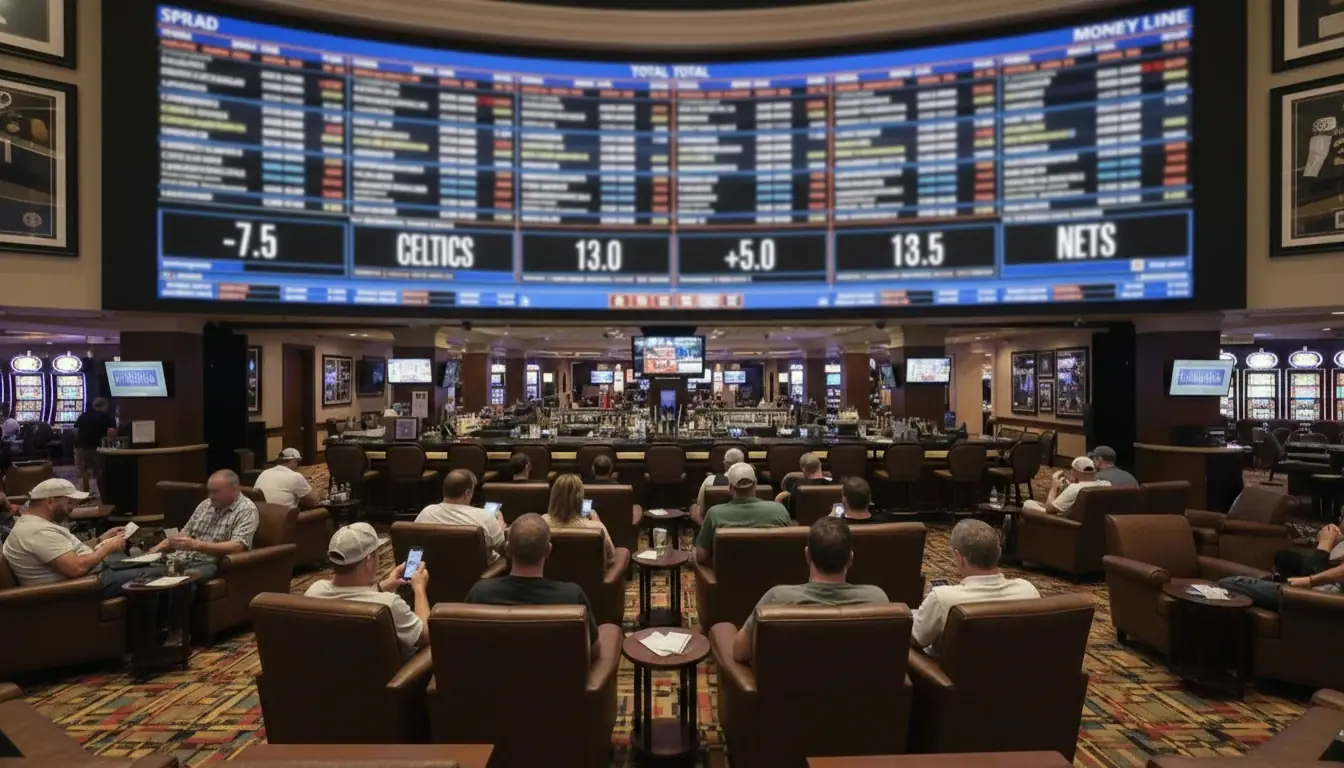
Teasers adjust point spreads in your favor across multiple legs in exchange for reduced payouts. A six-point teaser on two NBA games might move a -7 spread to -1 and a +3 spread to +9. Both adjusted spreads must cover for the teaser to win. The payout is lower than a standard parlay of the original lines because you have purchased points on each leg.
NBA teasers differ fundamentally from football teasers in expected value. Football teasers crossing key numbers like 3 and 7 have demonstrated historical profitability because those margins occur frequently enough to justify the reduced payout. Basketball spreads distribute more evenly across margins, making the key number advantage less pronounced. NBA teasers rarely offer the same mathematical edge that football teasers can provide.
The standard six-point NBA teaser pays around -120 for two teams, meaning you risk $120 to win $100. For this to break even, you need to win approximately 54.5% of your teasers. With the six points of adjustment, your two teased selections need to hit at a combined rate exceeding that threshold. Historical data suggests this is difficult to achieve consistently in basketball.
Teaser value depends entirely on the specific lines you are teasing. Moving a -2 to +4 crosses zero, which matters because you now win if your team loses by fewer than 4 instead of needing them to win outright. Moving a -8 to -2 keeps you on the favorite side without crossing any particularly significant margin. The former adjustment is more valuable than the latter, yet both cost the same in terms of reduced payout.
Wong teasers, named after gambling author Stanford Wong, identify specific teaser situations with historical profitability. The concept involves teasing underdogs through zero or favorites through key numbers to maximize the value of your purchased points. Applying Wong principles to NBA teasers is more complex than in football because basketball lacks the same concentration of results around specific margins. Most NBA teaser strategies that claim profitability fail to account for the vig adequately.
The honest assessment is that NBA teasers represent entertainment bets rather than strategic opportunities for most bettors. The mathematics rarely favor the bettor once the reduced payout is factored against the probability improvement from the adjusted lines. If you enjoy teasers for their entertainment value, size them appropriately as entertainment expenses rather than as core betting strategy.
Common Parlay Mistakes

The most damaging parlay mistake is treating them as primary betting strategy rather than supplementary plays. Bettors who build parlays daily as their main action face compounding house edge that guarantees long-term losses. Parlays work only in narrow circumstances with genuine correlation value or as occasional entertainment. Making them your default approach ensures bankroll destruction.
Adding legs to increase payout without adding edge is pure gambling, not sports betting. Each additional leg must carry positive expected value to justify inclusion. Random legs added for payout enhancement simply multiply the house advantage. If you cannot articulate why a leg improves your parlay beyond making the number bigger, leave it off.
Ignoring correlation pricing dooms SGP bettors. The flashy potential payout distracts from the aggressive discounts sportsbooks apply. Before building any SGP, understand how much value the book is extracting through correlation penalties. If the penalty pushes your expected value negative, the SGP is not worth placing regardless of how logical the combination seems.
Failing to shop lines costs parlay bettors more than straight bettors because the mistakes multiply across legs. A half-point worse on each of three legs compounds into significant expected value loss. Building parlays at whichever sportsbook you happen to have open rather than seeking best available lines represents lazy money management.
Sample Parlay Builds
A sensible two-leg correlated parlay might combine Celtics -4.5 with Jayson Tatum over 27.5 points. The thesis is clear: Boston wins comfortably behind a big Tatum game. These outcomes share positive correlation that the sportsbook’s penalty might not fully capture. The parlay remains short enough that variance stays manageable and the house edge multiplication remains modest.
A three-leg SGP with narrative coherence could pair game over 218.5, Team A -3.5, and Team A’s point guard over 8.5 assists. The thesis projects a high-scoring affair where Team A’s offense clicks and their playmaker distributes effectively. All three legs benefit from the same underlying scenario: Team A playing well offensively in a fast-paced game.
An example of what to avoid: Lakers moneyline, Nuggets +6.5, Heat-Hornets under 212.5, and Anthony Edwards over 24.5 points. Four legs with no connecting logic. The selections might each have individual merit, but combining them into a parlay simply multiplies independent risks without capturing any correlation benefit. Bet these straight if you like them; do not parlay them together.
Conclusion
Parlay betting demands intellectual honesty about mathematics and motivation. The house edge compounds across legs, making most parlays negative expected value regardless of your selection quality. Accepting this reality is prerequisite to using parlays strategically rather than destructively.
The narrow path to parlay value runs through correlation. When positively correlated legs are underpenalized by sportsbook pricing, two-leg or occasionally three-leg parlays can represent genuine opportunities. Finding these spots requires understanding both the statistical relationships between outcomes and how aggressively various books adjust for those relationships.
Position sizing, hedging decisions, and the discipline to pass on parlays that lack structural advantage separate strategic bettors from those treating parlays as lottery tickets. Keep parlays as a small, selective component of your overall betting approach, and ensure each one you build serves a specific strategic purpose beyond simply creating action.
Written by the editors at Best bet for nba.