NBA Live Betting: Exploiting In-Play Wagering Markets
 Available in US
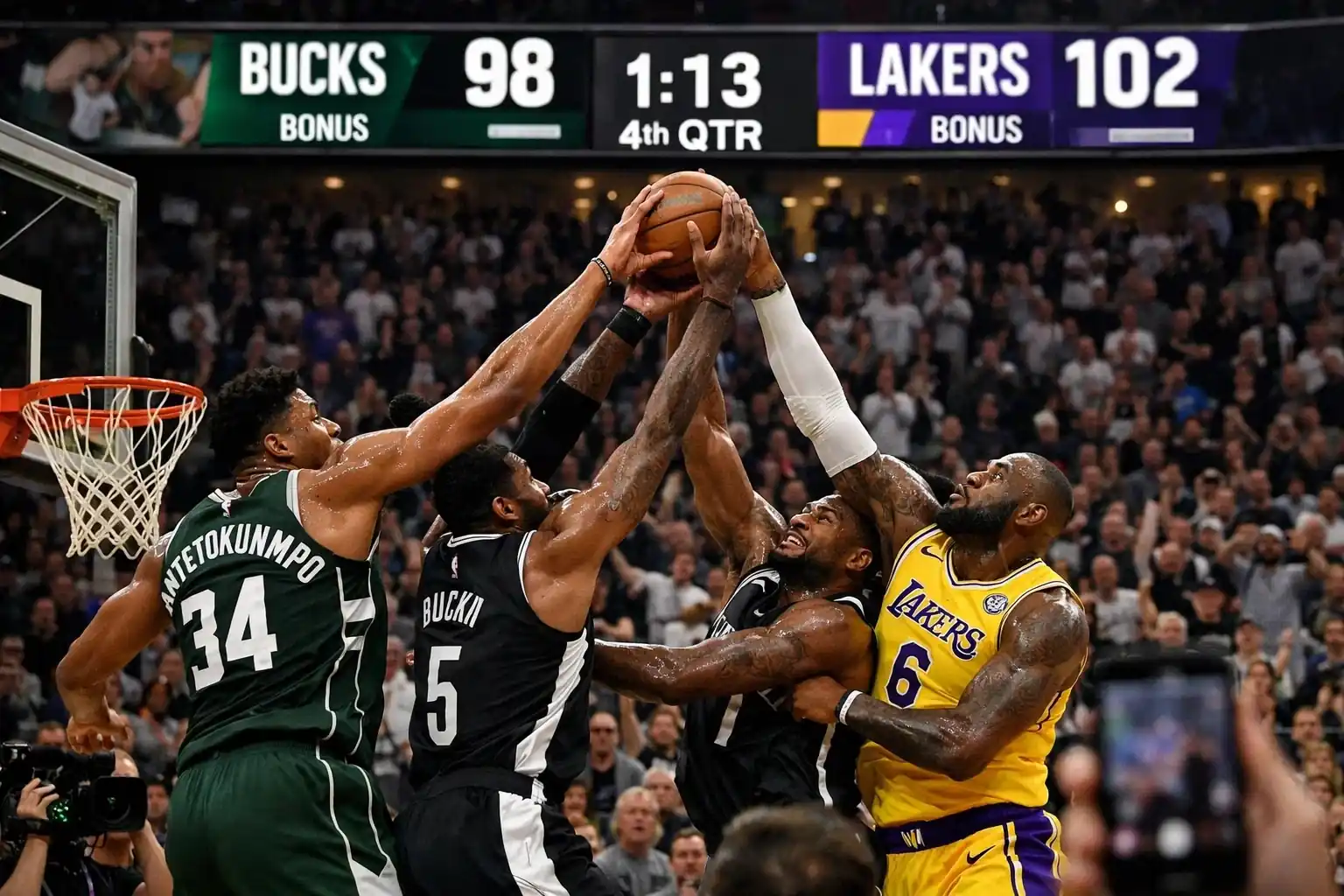
Live betting transforms the relationship between bettor and game. Instead of placing a wager before tip-off and waiting passively for the outcome, you engage with the contest as it unfolds, finding opportunities created by the flow of play and market reactions to real-time events. The NBA’s high-scoring, momentum-driven nature makes it particularly suited to in-game wagering, with lead changes and scoring runs creating constant shifts in probability that translate to moving lines.
The growth of live betting has been explosive. What was once a niche offering at offshore sportsbooks now represents a substantial percentage of total handle at legal US operators. The infrastructure supporting live odds has improved dramatically, with automated systems capable of adjusting lines within seconds of significant game events. This technological evolution has made live betting more accessible but also more competitive, as the same tools that help bettors identify opportunities help sportsbooks price markets more efficiently.
This guide covers the mechanics of NBA live betting, strategies that can create edge in real-time markets, and the discipline required to avoid the unique pitfalls that in-game wagering presents. Live betting rewards quick thinking and game knowledge, but it punishes impulsiveness and poor bankroll management more severely than any other betting format.
In-game momentum shifts and unexpected injuries can also provide valuable clues for adjusting your NBA championship futures bets before the odds drop.
Analyzing Real-Time NBA Live Betting Odds
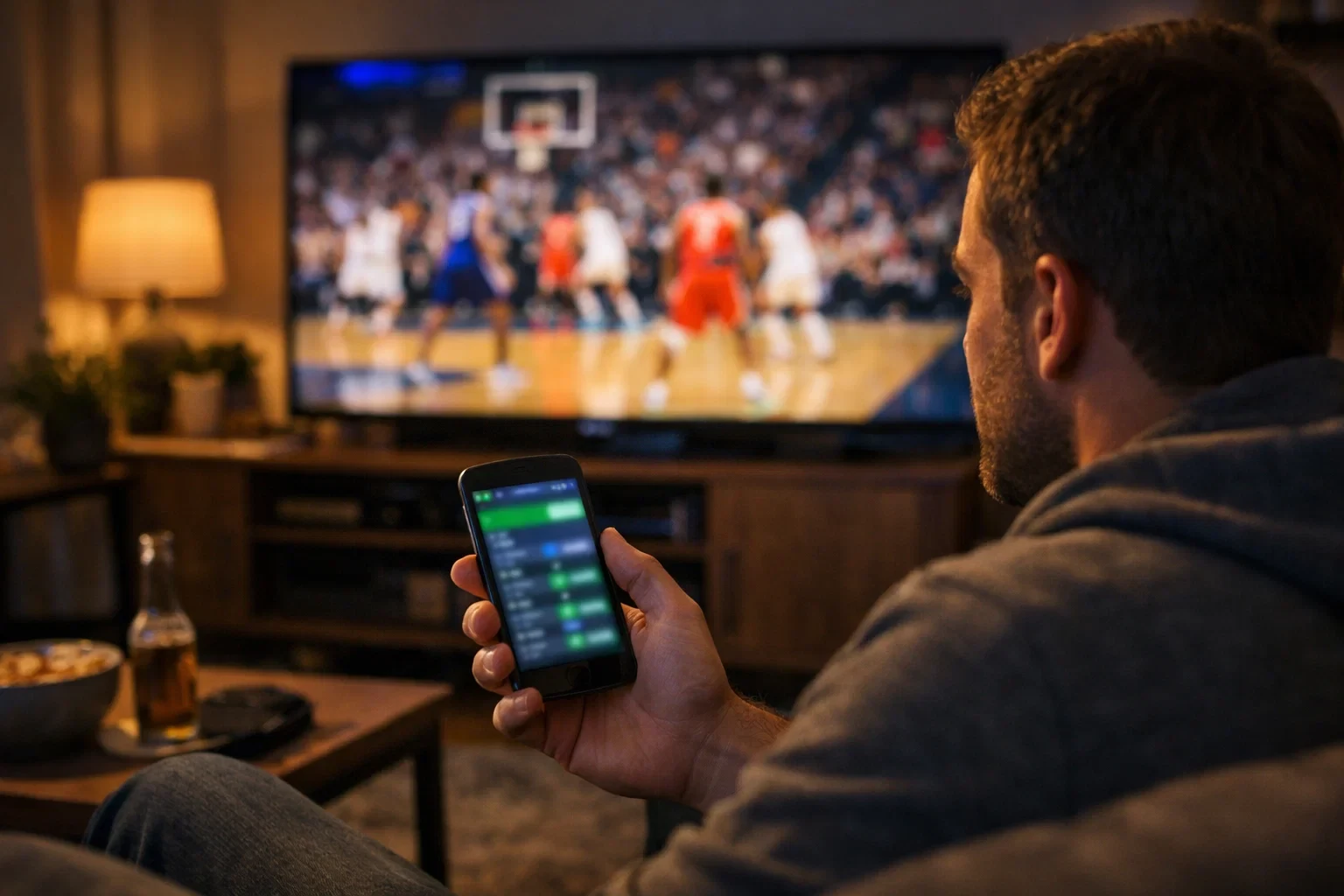
Live betting, also called in-play or in-game betting, allows you to wager on NBA games after they have started. The available markets mirror pre-game offerings: spreads, moneylines, totals, and player props all remain available with odds that update continuously based on score, time remaining, and game flow. A team favored by 6 points before tip-off might become a 2-point underdog if they fall behind by 12 in the first quarter.
The core appeal is reactive betting. Pre-game analysis becomes validated or invalidated within minutes of tip-off. If your pre-game lean was the Celtics, but they come out flat and trail by 8 after one quarter, live betting lets you buy them at improved odds reflecting their hole. Conversely, if your pre-game read was wrong and the Celtics look outmatched, you can avoid doubling down on a flawed thesis.
Live betting also creates opportunities independent of pre-game positions. You might have no opinion on a game before it starts but notice something during play that suggests value: a key player picking up early fouls, an offense struggling against an unexpected defensive scheme, or pace running significantly faster or slower than projected. These in-game observations can inform live wagers that pre-game analysis could never identify.
The tradeoff is reduced decision time. Pre-game bets allow hours of analysis before commitment. Live bets demand quick evaluation as lines move rapidly. This compressed timeline favors bettors with deep game knowledge who can process information quickly but punishes those prone to impulsive decisions based on short-term game flow.
How Live Odds Work

Algorithm Versus Human Line-Setting
Modern NBA live odds are primarily algorithm-driven. Automated systems process game state information, including score, time remaining, possession, and foul situation, to generate continuously updated probabilities. These algorithms are remarkably sophisticated, incorporating historical data about how teams perform in various game states and adjusting for the specific matchup context.
Human oversight exists but operates at a supervisory level. Traders monitor algorithm outputs and can manually adjust lines when the automated system might be missing context: a key player leaving with an apparent injury before official confirmation, unusual strategic decisions by coaches, or technical difficulties affecting game flow. These manual interventions create brief windows where human judgment overrides algorithmic pricing, sometimes producing exploitable inefficiencies.
The speed of algorithmic adjustment has increased dramatically over recent years. Lines now move within seconds of significant events like made three-pointers, turnovers, or foul calls. This speed makes it nearly impossible to exploit obvious mispricings the way early live bettors could when systems were slower. The remaining edge exists in situations where algorithms cannot properly contextualize what they are seeing.
Speed of Line Adjustments
Line movement during live play correlates with event significance. A routine mid-game basket might shift the spread by a fraction of a point, while a key player’s fifth foul triggers immediate significant adjustment. Sportsbooks prioritize protecting against sharp exploitation, meaning lines often move preemptively based on game state changes that predictably shift probabilities.
Latency differences between what you see and what sportsbooks see can work for or against you. If you are watching a broadcast with a fifteen-second delay behind real-time, you are betting into a market that has already processed events you have not yet witnessed. Premium live bettors seek minimal-latency feeds to reduce this information disadvantage, though truly real-time access remains difficult for retail bettors to achieve.
Suspension of betting around critical moments protects sportsbooks from the fastest information advantages. During free throws, in the final seconds of quarters, or when officials review plays, betting typically pauses until the situation resolves. These suspensions frustrate bettors seeking to exploit specific moments but represent rational risk management by operators.
Stay disciplined and manage your bankroll effectively by following the advice on our expert NBA betting portal.
Advantages of Live NBA Betting
Better Prices on Pre-Game Leans
Live betting frequently offers improved odds on positions you liked before the game started. If you identified the Bucks as undervalued at -4 but did not bet pre-game, a slow start that puts them down 8 after one quarter might push the live spread to Bucks +2. Your fundamental analysis has not changed, but the price has improved significantly. Patient bettors who wait for their spots often find better numbers in-game than they would have gotten before tip-off.
This dynamic rewards contrarian thinking. When a good team falls behind early, public money often floods to the opponent, pushing the trailing team’s odds even further in your favor. If your analysis suggests the deficit is noise rather than signal, live betting lets you buy the dip at prices inflated by recency bias.
The risk is that your pre-game analysis was simply wrong. Sometimes a slow start reflects genuine problems that will persist throughout the game. Distinguishing between temporary adversity and fundamental mismatch is the key skill in buying pre-game leans at live prices. Watching the game closely, rather than just the scoreboard, helps make this distinction.
Reacting to In-Game Injuries and Ejections
Injuries and ejections during games create immediate betting opportunities that no pre-game analysis could anticipate. When a star player goes to the locker room with a twisted ankle, the spread adjusts, but that adjustment might not fully reflect the player’s importance. If you know the injured player’s team relies heavily on him in crunch time, the market might be underestimating the impact because the injury occurred early when the game was not yet close.
The key is understanding role-specific impact. Losing a primary ball handler affects a team differently than losing a wing defender. Losing your closer matters more than losing someone who plays heavy early minutes but sits in crunch time. This contextual knowledge helps you evaluate whether the automatic line adjustment is sufficient or exploitable.
Ejections provide cleaner information than injuries because they are definitive. A player ejected for a flagrant foul is not returning; his team must adjust immediately. The psychological impact of an ejection, especially if it feels unjust, can also affect team performance in ways that statistical adjustments might miss.
Capitalizing on Momentum Swings
The NBA is a game of runs. A team trailing by 15 might cut the lead to 3 within four minutes. These momentum swings create live betting opportunities on both sides. When a team surges, their odds improve, potentially offering value on their opponent if you believe the run will stall. When a team collapses, their odds lengthen, potentially offering value if you believe the collapse is temporary.
Reading momentum requires game-watching rather than just score-watching. Is the trailing team’s run driven by sustainable shot-making, or are they getting fortunate bounces that will regress? Is the leading team’s collapse due to poor execution that they will correct, or are they facing a defensive scheme they cannot solve? These assessments inform whether a momentum swing represents a true probability shift or a temporary fluctuation that the live line has overweighted.
The danger of momentum-based betting is chasing. Watching a team storm back feels exciting and creates urge to back them. But the live odds already reflect their improved position. Betting on momentum continuation requires the run to continue beyond what the market already expects, which is harder than it feels in the emotional moment.
Live Betting Strategies

The Game of Runs Approach
NBA games feature predictable patterns of runs and counter-runs. Recognizing when a run is likely to end helps identify live betting opportunities. After a team goes on a 12-0 run, the opponent typically responds with at least a partial counter-run as adjustments are made and shooting variance normalizes. Betting the trailing team immediately after they have suffered a significant run often captures value because the live line overreacts to recent scoring.
This approach requires discipline to bet against immediate visual evidence. When you have just watched one team dominate for five minutes, betting their opponent feels counterintuitive. But unless the dominance reflects a fundamental matchup advantage that will persist, some regression toward the pre-game equilibrium is probable. The live spread at that moment often prices in run continuation rather than regression.
Timeouts frequently mark run-ending points. When a coach stops play to address a spiraling situation, the adjustment often slows or stops the opponent’s momentum. Betting opportunities immediately after timeouts can capture value if the live line has not fully priced in the expected momentum shift from coaching intervention.
Backing Teams Down Big at Halftime
Teams trailing by double digits at halftime cover spreads at surprisingly high rates if the live line overadjusts. A team that was favored by 4 pre-game might be +8 at halftime after a poor first half. If your analysis suggests they are still the better team and simply experienced bad variance or slow starting execution, that +8 represents significant value over the pre-game number you already liked.
The key is distinguishing between bad halves and bad matchups. Some halftime deficits reflect problems that will persist: defensive schemes the trailing team cannot solve, injuries that have hampered their offense, or foul trouble that limits their best players. Other deficits reflect correctable issues like cold shooting, turnover-prone play, or early-game nerves in hostile environments.
Historical data on specific teams and situations helps calibrate expectations. Some teams are notorious slow starters who regularly find themselves in halftime holes only to battle back. Others wilt when facing adversity. Knowing these tendencies helps evaluate whether a particular halftime deficit is concerning or characteristic.
Quarter and Half Betting
Live markets include quarter and half betting that offers shorter-term propositions than full-game outcomes. Third quarter betting is particularly interesting because it follows halftime adjustments by both coaching staffs. If you have a read on which team adjusts better, third quarter markets let you express that view directly.
Fourth quarter unders often provide value in blowouts. When a game becomes lopsided, both teams typically empty their benches and play at reduced intensity. The starters who score most points sit while reserves play out the string. Live fourth quarter totals set based on earlier game pace often fail to adjust for this garbage time dynamic, creating systematic under value in blowout situations.
When to Wait and When to Bet
Timing Bets During Timeouts and Commercials
Timeouts and television commercial breaks provide natural betting windows where you can evaluate without the pressure of constantly moving lines. During these pauses, lines stabilize temporarily as no game action occurs to trigger adjustments. Use these moments to assess your position, evaluate whether opportunities exist, and place bets with full attention rather than rushing during live action.
The seconds immediately before play resumes often offer the best live prices. Lines have stabilized during the break, but sportsbooks have not yet updated based on the expected impact of coaching adjustments. If you have a read on how the timeout will affect subsequent play, this window lets you act on that information before it becomes evident to the market.
Halftime represents the longest and most valuable pause in live betting. The extended break allows comprehensive reassessment of pre-game analysis in light of first-half evidence. You can evaluate shooting percentages, foul situations, minutes distributions, and tactical adjustments with time for actual thought rather than reactive decision-making. Halftime live bets can be as well-considered as pre-game wagers while still capturing live pricing.
Avoiding Bets During Active Play
Placing bets while the ball is live courts disaster. Your attention splits between watching the game and managing your bet slip, causing you to miss important information while also potentially misclicking or entering wrong amounts. The lines move while you are typing, meaning you might bet into a number that has already shifted away from your intended position.
Experienced live bettors develop discipline around when to engage with betting interfaces versus when to simply watch. During active possessions, focus entirely on the game. Evaluate what you are seeing, form opinions about emerging edges, and mentally note potential opportunities. Then during the next stoppage, whether timeout, foul shot, or substitution pause, act on the opportunities you identified.
This discipline becomes particularly important during crucial late-game situations. The final minutes of close games see rapid line movement and intense action. Trying to bet while watching a critical possession leads to both bad bets and missed game moments. Accept that some opportunities will pass while you watch. The opportunities you do capture with full attention will be better than those you rush into while distracted.
Reading the Flow Before Committing
Game flow provides information that box scores cannot capture. Watching how teams are generating looks reveals whether their success or failure is sustainable. A team hitting contested shots at an unsustainable rate might be up 10 but is due for regression. A team missing open looks might be down 10 but is playing well enough to expect improvement. This qualitative assessment should inform live betting decisions more than raw score.
Defensive adjustments often take time to become visible in results. A team might switch to a zone that initially confuses the opponent, but once the offense adjusts, the zone becomes exploitable. Noticing these tactical shifts before their effects appear in the score can identify live betting value. You see the adjustment happening and can bet before the results confirm your observation.
Foul trouble and lineup changes affect game flow significantly. When a team’s best defender sits with foul trouble, their defensive efficiency typically declines even if the box score has not yet reflected this. When a cold shooter gets benched for a hot hand, offensive output might improve beyond what recent results suggested. Tracking these rotation dynamics helps predict flow changes before they manifest in scoring.
Live Player Props
Live player prop markets let you bet on individual statistical outputs based on in-game performance and projected remaining playing time. A player who has 8 points after one quarter might have a live prop of 24.5 points for the game. Your assessment of whether he will exceed or fall short of that projection incorporates both his early performance and your expectations for his remaining minutes and opportunities.
Minutes projection becomes even more critical for live props than pre-game props. A player with 10 points at halftime projects differently if his team is in a blowout (reduced minutes expected) versus a tight game (full minutes likely). Live prop lines adjust for score differential, but your superior minutes projection can still find edges when the market’s adjustment is insufficient.
Foul trouble creates live prop opportunities that the market sometimes misprices. A player who picks up his third foul in the second quarter will likely see reduced minutes until the fourth quarter. His counting stat props might not fully adjust for this expected absence, creating under value. Conversely, a player who avoids foul trouble while teammates accumulate fouls might see expanded role and opportunity.
Pace deviation from projections affects all live props. If a game is running 10% faster than expected, scoring props should be adjusted upward across the board. Live markets make pace adjustments, but these adjustments sometimes lag the actual pace differential. Noticing a pace mismatch early in a game can identify systematic live prop value before the market fully corrects.
Hot and cold starts require contextual interpretation for live props. A player who has 0 points in the first quarter is not necessarily a strong over bet because the market has likely lengthened his line in response. The question is whether his slow start reflects reduced opportunity, bad shooting luck on good shots, or genuine struggle that will persist. Only the latter clearly suggests the under remains valuable after the line adjustment.
Tools for Live Betting
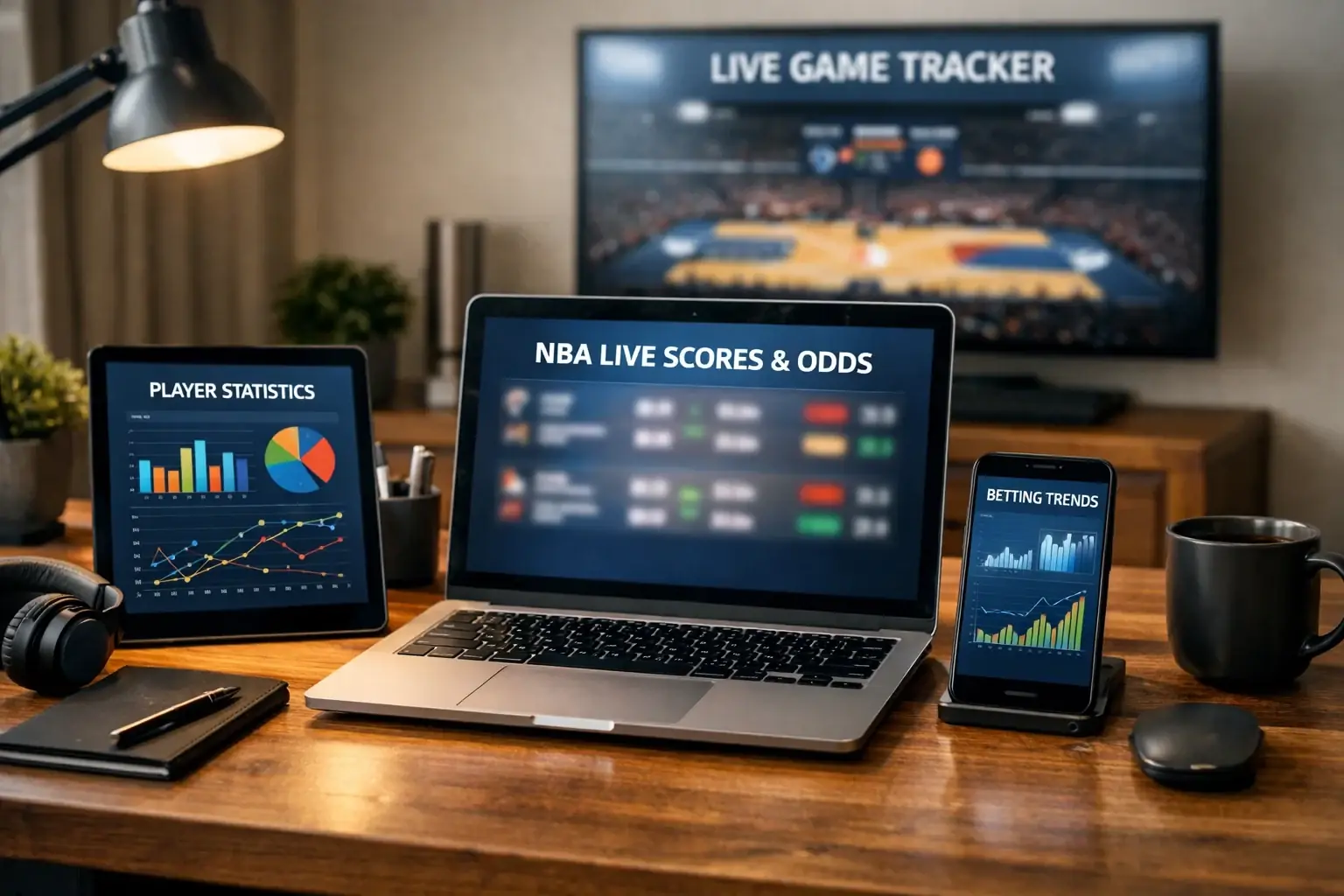
Effective live betting requires real-time information access that matches or approaches sportsbook data feeds. Streaming services with minimal latency provide competitive advantage over standard broadcast delays. The difference between seeing a play live versus fifteen seconds later determines whether you can act on opportunities before lines adjust.
Live statistics dashboards that update faster than television broadcasts help identify edges. Tracking real-time shooting splits, pace data, and lineup performance lets you notice when game flow diverges from what the live lines suggest. Several sports data providers offer these real-time feeds, though premium access carries subscription costs.
Multiple sportsbook accounts are essential for live betting because line discrepancies between books are common and fleeting. Having accounts funded and ready across several operators lets you capture the best available number when you identify an opportunity. The few seconds required to log into a new platform can mean missing a favorable line.
Bankroll tracking for live bets separately from pre-game bets helps evaluate performance by bet type. Live betting carries distinct psychological pressures and different edge profiles. Knowing your live betting results independent from other betting activity reveals whether this format suits your skills and temperament.
Common Live Betting Mistakes
Chasing losses through live betting destroys bankrolls faster than any other mistake. A bad pre-game bet creates temptation to recover through in-game wagers. This emotional decision-making leads to poorly considered live bets made from desperation rather than analysis. The speed of live betting means you can lose multiple units within minutes when chasing.
Betting based on short-term game flow rather than sustained analysis produces systematically poor results. Watching one team dominate for three minutes triggers urge to back them, but three minutes of basketball reveals almost nothing about full-game probabilities. The live line has already adjusted for what you just witnessed; your bet needs the dominance to continue beyond current expectations.
Overconfidence in reading momentum leads to excessive live betting volume. Every swing feels significant when you are watching intently. But most swings represent normal game variance rather than exploitable opportunities. Disciplined live bettors make fewer bets than they feel tempted to make, passing on marginal spots to preserve capital for genuine edges.
Ignoring reduced juice and timing advantages that some books offer on live markets costs money over time. Certain sportsbooks offer better live lines systematically. Knowing which books to check first for live opportunities and which to use only when others are unavailable optimizes your effective odds across all live wagers.
Conclusion
NBA live betting rewards game knowledge, quick processing, and emotional discipline. The format offers opportunities that pre-game betting cannot access: reacting to injuries, exploiting momentum overreactions, and buying improved prices on pre-game positions. These advantages attract many bettors to in-game markets.
The corresponding risks are equally real. Speed pressure leads to impulsive decisions. The constant action tempts overbet volume. Latency disadvantages mean you are often betting into information the market has already processed. Succeeding at live betting requires acknowledging these challenges and developing specific skills and discipline to address them.
Treat live betting as a specialized skill that requires distinct development from pre-game handicapping. Start with small stakes while learning how live markets move and when opportunities genuinely exist. Build your live betting volume gradually as you demonstrate to yourself that you can identify edges and maintain discipline in this faster-paced environment.
Published by the Best bet for nba team.