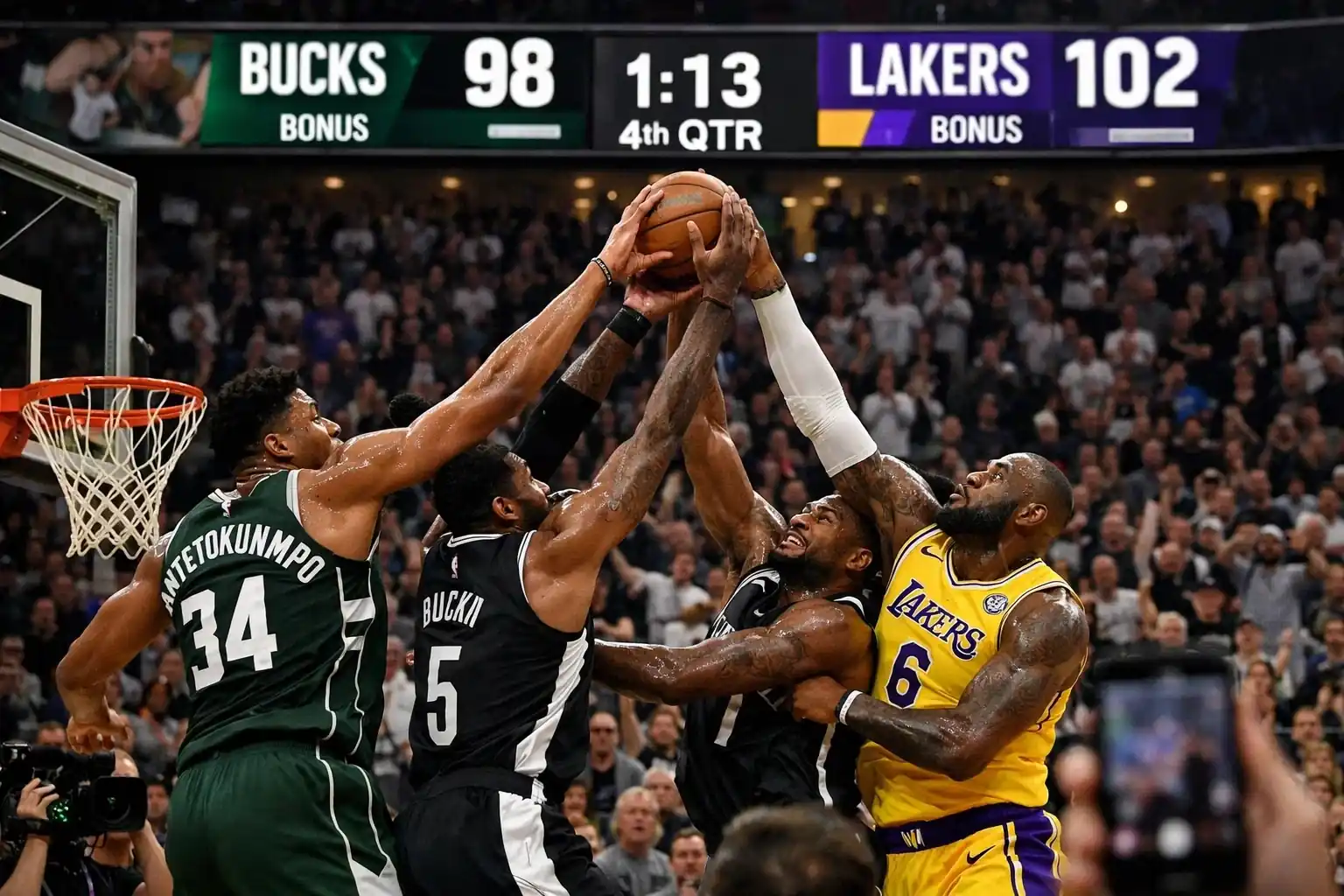
NBA Futures Betting: Tracking Championship and MVP Odds
 Available in US

Futures betting asks you to predict outcomes that will not be determined for weeks or months. Rather than betting on tonight’s game, you wager on who will win the championship, which player will capture MVP honors, or whether a team will exceed or fall short of their projected win total over an entire season. The extended time horizon changes everything about how value is created, identified, and captured.
The appeal of futures lies in their potential payouts. Betting on a championship contender before the season might offer +800 odds that shrink to +200 by the playoffs if that team performs well. Early conviction gets rewarded with superior prices. But the time value of money cuts both ways: your capital sits locked in a futures bet for months, unable to compound through other profitable opportunities. Understanding when that tradeoff makes sense separates strategic futures bettors from those simply buying hope.
NBA futures markets have grown increasingly sophisticated as legal betting expands and more analytical money enters the space. Opening lines are sharper than they were five years ago, and obvious mispricings get hammered quickly. Yet opportunities persist for bettors willing to do the work of projecting roster construction, injury risk, and schedule dynamics before the broader market catches up. This guide covers the major NBA futures markets and the analytical frameworks that help identify value within them.
While long-term wagers tie up your bankroll, daily action like NBA point spread betting provides consistent opportunities throughout the regular season.
Comparing Long-Term NBA Futures Betting Markets

Championship Winner
The championship futures market is the flagship offering for NBA futures betting. Every team receives odds to win the title, from heavy favorites around +300 to long shots above +50000. The market opens shortly after the previous season ends, adjusts throughout the offseason based on trades and free agency, and continues updating during the regular season as teams prove themselves or disappoint.
Championship futures require handicapping not just current roster quality but durability and ceiling. A team might have the best starting five in the league yet lack the depth to survive an 82-game season plus playoff grind. Injury histories of key players factor heavily into championship projections because titles require sustained health from your best players through June. The team that looks best on paper in October is not always the smart championship bet if their star has a history of missing playoff games.
The structure of the NBA playoffs creates path dependency that futures bettors must consider. A team in a loaded conference faces a harder road than an equivalent team in a weaker conference. Seeding matters for home court advantage, which compounds across four potential playoff rounds. These structural factors mean that championship futures are not simply bets on which team is best, but which team is best positioned to navigate their specific playoff path.
Conference and Division Winners
Conference winner futures offer a middle ground between championship bets and regular season markets. You only need your team to reach the Finals, not win it. This reduces variance compared to championship futures while still providing substantial payouts for successful picks. Division winner markets provide even more granularity, though the smaller sample of relevant teams makes these markets thinner and sometimes less efficiently priced.
Conference futures sometimes offer better value than championship futures for the same underlying thesis. If you believe the Celtics are the best team in basketball, the conference winner market might offer better expected value than the championship market because you remove the variance of a Finals opponent potentially catching lightning in a bottle. The tradeoff is reduced payout potential.
Division winners historically correlated with playoff seeding, though this has changed. Since the 2015-16 season, the NBA no longer guarantees division winners a top-four seed or even a playoff spot—teams are now seeded strictly by conference record. For teams in weak divisions, division winner futures no longer carry the seeding advantages they once did, though winning a division can still serve as a tiebreaker criterion.
MVP and Award Betting
MVP futures attract significant betting interest because individual performances are easier to track and debate than team outcomes. The market typically features a handful of frontrunners with odds below +1000 and a long tail of candidates above +2500. Movement throughout the season can be dramatic as players establish or lose MVP narratives.
Award markets differ from team futures because voter perception matters as much as on-court performance. MVP voters have tendencies that handicappers can analyze: preference for winning teams, fatigue with repeat winners, narrative preferences around compelling stories. Understanding how voters think helps predict which statistical performances will actually translate into award recognition.
Other award futures include Defensive Player of the Year, Most Improved Player, Sixth Man, and Rookie of the Year. Each market has its own dynamics. DPOY voting skews toward rim protectors with counting stats. Most Improved often goes to players making third-year leaps on ascending teams. Sixth Man typically requires scoring punch off the bench. Rookie of the Year correlates with draft position and early playing time opportunity. Knowing these tendencies helps identify mispriced candidates before the season reveals who will actually contend.
Season Win Totals
Win totals present the most analytically tractable NBA futures market. Sportsbooks set a projected win number for each team, and you bet whether the team will exceed or fall short of that total. A team with a win total of 48.5 requires you to project whether they will win 49 or more games (over) or 48 or fewer (under).
Win total markets benefit from the large sample size of an 82-game season. Variance gets smoothed across many independent outcomes, making projections more reliable than in any single-game context. This statistical tractability attracts sharp money, which generally makes win total markets more efficient than championship markets where narrative and hope can distort prices.
The analytical approach to win totals involves projecting net rating and converting that rating into expected wins using established formulas. A team with a +5.0 net rating historically wins around 56 games in an 82-game season. If that team’s win total is set at 52.5, the over might offer value assuming your net rating projection is accurate. This quantitative framework provides clear structure for identifying potential edges.
How Futures Odds Change Throughout the Season

Futures odds reflect the market’s current probability assessment combined with the capital that has already been wagered. As information emerges, whether through games played, injuries sustained, or roster changes made, sportsbooks adjust their numbers. Understanding the mechanics of these adjustments helps you time your futures entries and identify when markets have overreacted or underreacted to news.
Early season results often cause outsized odds movement because small samples get extrapolated into full-season projections. A team that starts 10-2 might see their championship odds cut in half even though twelve games reveal far less than a full season would. Sharp futures bettors recognize that early season movement frequently overshoots, creating opportunities to bet against recent results when fundamental analysis suggests regression.
Injury news produces immediate and often dramatic odds shifts. When a star player suffers a significant injury, that team’s futures lengthen rapidly while competitors’ odds shorten. The market adjustment is usually directionally correct but can overshoot in magnitude. A team losing its second-best player for eight weeks is not the same as losing them for the season, yet the immediate odds movement might not distinguish between these scenarios.
Trade deadline activity creates predictable futures movement windows. Contenders adding key pieces see their odds improve, while sellers see theirs collapse. Bettors who anticipate likely trades can position themselves before the movement, though this requires reading front office tendencies and salary cap mechanics. Post-deadline is often a good time to evaluate the market with fresh eyes, as prices will have adjusted to the new competitive landscape.
Playoff seeding implications crystallize in the final weeks of the regular season. As matchups become clearer, futures odds adjust based on bracket paths. A team that locks up the top seed and home court advantage throughout might see their odds improve even without playing particularly well in meaningless late-season games. Conversely, a team slipping from second seed to fourth seed faces harder early-round matchups that lengthen their championship odds.
Build a balanced portfolio of bets with the help of the ultimate guide to smart basketball betting.
Best Time to Place Futures Bets
The optimal timing for futures betting depends on your information advantage and the specific market you are targeting. Different windows offer different opportunities, and understanding which phases favor bettors versus sportsbooks helps you pick your spots strategically.
Offseason futures often provide the best championship and win total value for bettors with strong roster projection skills. Before the season begins, uncertainty is maximized and the market relies heavily on prior year results plus observable roster changes. If you can accurately project how new acquisitions will fit, how young players will develop, or how coaching changes will affect team performance, you can capture value that will evaporate once games provide actual information.
The challenge with offseason betting is the long capital lockup. Money placed in July on a championship future cannot be used for anything else until that bet resolves the following June. This opportunity cost makes sense only if the edge you are capturing exceeds what you could earn deploying that capital elsewhere. For most bettors, maintaining liquidity for in-season opportunities is more profitable than tying up bankroll in preseason futures.
Early season overreactions create mid-season entry points. A contender that stumbles to a slow start might see their championship odds drift to attractive levels despite underlying performance metrics suggesting the poor record reflects bad luck rather than diminished quality. Buying these dips requires confidence in your assessment that the market is wrong, but the compressed time horizon (compared to preseason bets) makes the tradeoff more palatable.
The period immediately before the playoffs offers unique opportunities for bettors who have followed the season closely. You have essentially complete information about roster health, team form, and playoff seeding. The remaining uncertainty is primarily playoff variance. If your assessment of team quality differs significantly from the market’s implied probabilities, this late window lets you express that view with minimal time until resolution.
Win total bets rarely offer good value once the season is well underway. The math becomes increasingly deterministic as games accumulate. A team at 30-20 after fifty games has a narrow range of possible final win totals, which sportsbooks price accurately. The edge in win totals exists primarily before the season or in the first few weeks when projection disagreements still have room to matter.
MVP and award betting favors early positioning because voter narratives often form early and prove sticky. A player who dominates October and November often carries that momentum into the voting even if others catch up statistically by March. Getting ahead of narrative formation by identifying likely candidates before they emerge creates value that disappears once the market recognizes them. Late-season award betting rarely offers edge because the candidates are obvious and priced accordingly.
Factors to Analyze for Championship Futures

Roster Depth and Star Power
Championship teams typically need both elite top-end talent and reliable depth. The NBA playoffs expose roster weaknesses through targeted game planning and increased intensity. A team that cruises through the regular season with a thin rotation often struggles when opponents exploit their seventh and eighth players in playoff minutes. Projecting which teams can maintain effectiveness when rotations tighten requires understanding not just starting five quality but the caliber of players who will actually see playoff court time.
Star power remains the single strongest predictor of championship equity. Teams with top-five players in the league win titles at dramatically higher rates than those without. When evaluating championship futures, identifying which teams have genuinely elite talent versus those with collections of good players matters enormously. The playoff scoring burden that falls on primary options is severe, and players who crumble under that pressure doom their teams regardless of supporting cast quality.
Two-way roster construction separates true contenders from regular season success stories. Teams that excel offensively but struggle defensively rarely survive playoff gauntlets where opponents exploit their weaknesses over a seven-game series. Conversely, elite defensive teams without sufficient offensive creation get bogged down in half-court battles they cannot win. The championship formula requires competence on both ends, with ideally at least one elite unit.
Injury History and Durability
Projecting health across an entire season plus playoffs requires examining injury histories of key players. Some stars are reliably available, missing perhaps five to ten games per season with minor issues. Others carry chronic concerns that threaten multi-week absences at any moment. Championship futures implicitly bet on health, making durability assessment central to valuation.
Load management strategies affect both regular season positioning and playoff freshness. Teams that aggressively rest their stars might sacrifice seeding to preserve health for the postseason. This tradeoff can make sense for true contenders but introduces uncertainty into futures evaluation. A team might be better in May precisely because they were worse in February, which is difficult for markets to price accurately.
Supporting cast durability matters too. A contender losing their third-best player for a playoff round might survive, but losing key rotation pieces creates cascading problems. Depth provides insurance against these inevitable injuries. Teams with eight or nine genuinely playable rotation members can absorb losses better than those relying on a tight six-man group.
Schedule Strength and Rest Advantages
Early season schedule analysis helps identify teams whose records might mislead. A team with a soft early schedule might post impressive records that inflate their perceived quality. Conversely, a team grinding through a brutal opening stretch might be better than their record suggests. Adjusting win-loss records for schedule difficulty provides cleaner assessment of actual team quality.
Playoff seeding advantages compound across rounds. The top seed gets home court advantage throughout, meaning they play four home games per series (games 1, 2, 5, 7) with critical games on their floor. Over four rounds, this advantage accumulates significantly. Higher seeds also generally face easier early matchups, preserving energy and avoiding the attrition of tough series before the Finals.
Rest day advantages have diminished as the league has added days between playoff games, but back-to-back situations in the regular season still affect team health entering the playoffs. Teams that navigate their regular season schedule with minimal stress arrive at the playoffs fresher than those who had to grind through difficult scheduling stretches.
MVP Betting Strategy
Voter Tendencies
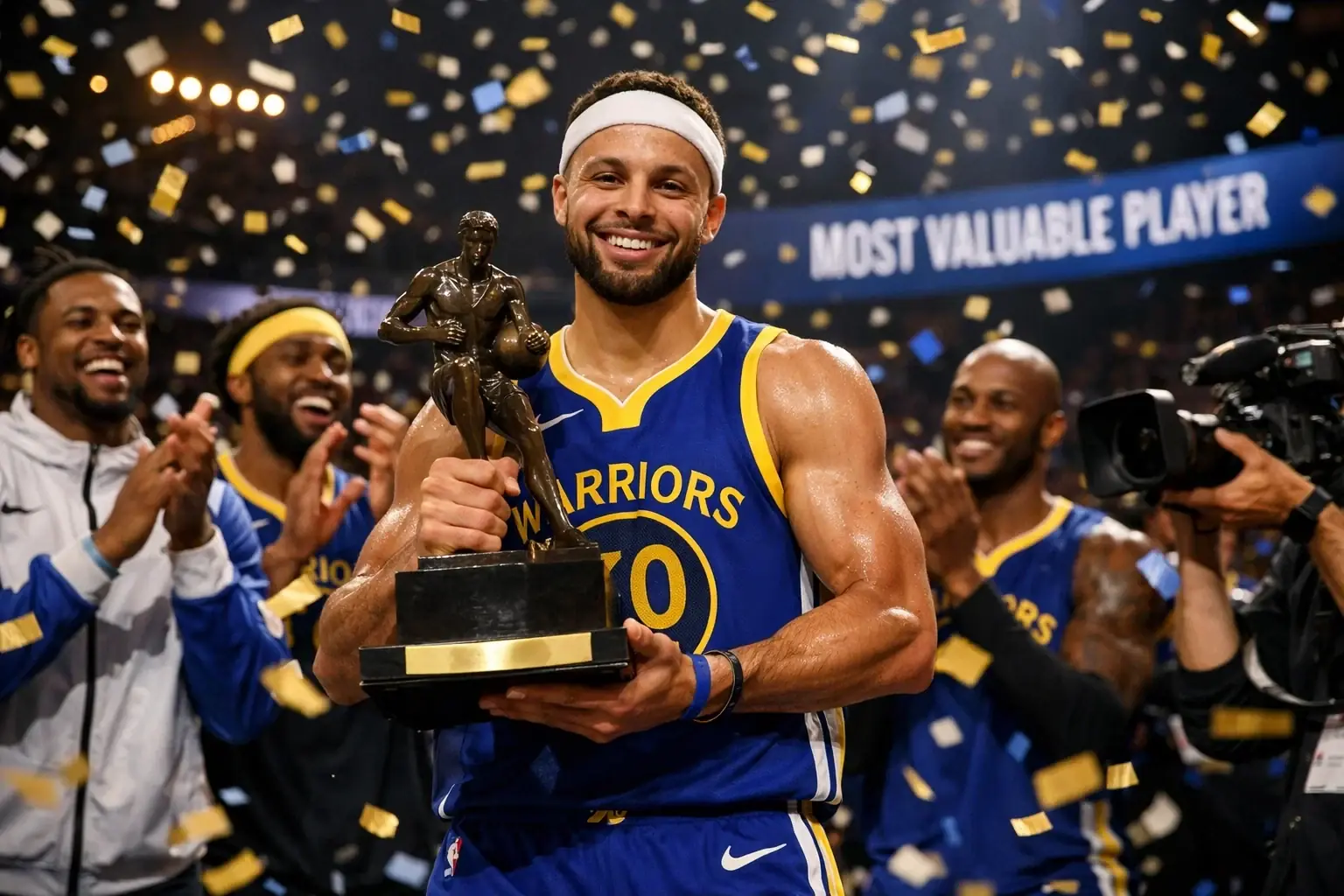
MVP voters are human beings with predictable biases that handicappers can exploit. Voter fatigue affects repeat winners, making it difficult for even the best player in the league to claim three consecutive MVPs. The last time this happened was Larry Bird in the mid-1980s. If a player won the last two MVPs, their odds for a third are probably higher than their actual win probability warrants because the market underweights fatigue.
Team success correlates strongly with MVP voting. A player putting up monster statistics on a mediocre team rarely wins over a slightly less impressive statistical candidate whose team finished with the best record in the league. The unofficial threshold seems to require a top-three seed, though exceptions exist for historically dominant individual seasons.
Narrative matters more in MVP voting than in any other betting market. The story around a candidate influences how voters perceive identical statistical performances. A young player leading his team to unexpected success generates more excitement than a veteran maintaining excellence. Understanding which narratives are forming and which players might generate compelling stories helps predict where votes will flow.
Statistical Benchmarks
Historical MVP winners share statistical profiles that set baseline expectations for viable candidates. Point per game totals above 25 are nearly universal among modern winners. Efficiency metrics matter increasingly as voters grow more analytically sophisticated. A candidate averaging 28 points on league-average efficiency is less impressive than one averaging 26 points on elite efficiency, and voters now recognize this distinction.
Advanced metrics like PER, Win Shares, and Box Plus-Minus help compare candidates across different roles and team contexts. A center might not score as much as a guard but could contribute equivalent value through rebounding, defense, and rim protection. These metrics provide apples-to-apples comparisons that help identify undervalued candidates.
Games played has become a more explicit criterion as voter awareness of load management increases. A player who misses twenty games, even if dominant when playing, faces skepticism about whether he was truly the most valuable player when he was unavailable so often. The exact threshold varies by season, but candidates with fewer than 65 games played face uphill battles.
Win Totals Analysis
Preseason Projections Versus Reality
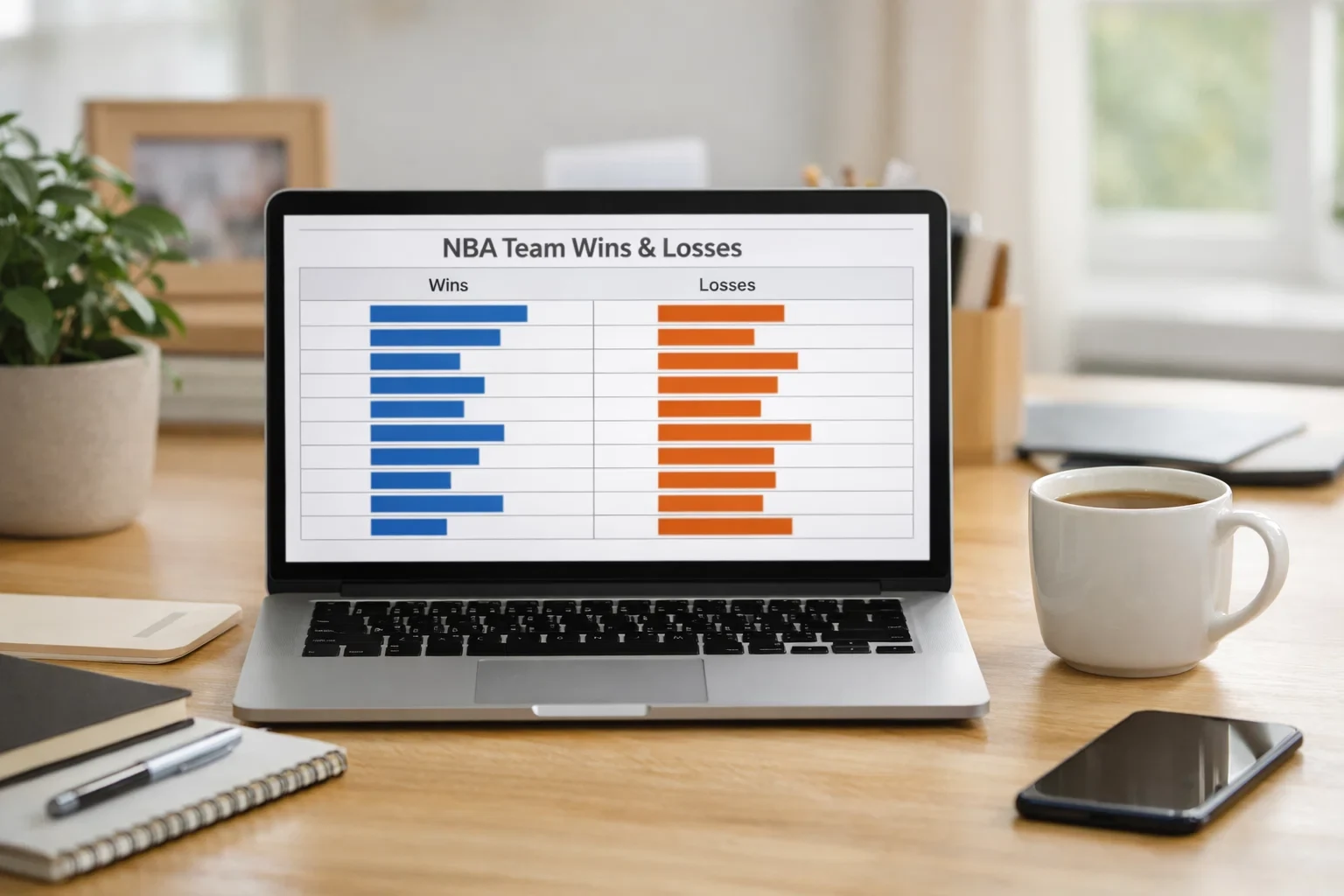
Win totals are set based on projected net ratings and historical conversion formulas, but these projections inevitably miss on multiple teams each season. Identifying likely projection misses requires understanding where public perception differs from analytical reality. Overvalued teams often feature star power and media attention that inflates expectations beyond what their actual roster construction supports.
Roster changes between seasons create the largest projection gaps. Teams that improved through smart acquisitions or development of young players often see their win totals lag behind their true quality. Conversely, teams that lost key contributors through free agency or trade might have win totals set too high based on prior season performance that no longer applies.
Regression candidates offer systematic betting opportunities. Teams that dramatically outperformed or underperformed their underlying metrics the previous season will likely revert toward expected performance. A team that won 50 games with metrics suggesting 45 wins probably will not repeat that overperformance. Taking the under on such teams captures the market’s overreliance on actual records versus predictive metrics.
Identifying Overvalued and Undervalued Teams
Public teams in major markets tend to be overvalued in win total markets. The Lakers, Knicks, and similar franchises draw recreational money that pushes their lines higher than pure analysis supports. Fading these public favorites has historically shown profitability, though the edge has compressed as markets become more efficient.
Small market teams with strong analytical profiles often fly under the radar. A team like Oklahoma City might post excellent underlying metrics while their win total remains modest because national attention lags regional coverage. Bettors who follow these teams closely can identify value before the broader market catches up.
Young teams with developing rosters present unique challenges. Projecting improvement curves is difficult, and win totals often underestimate how quickly talented young cores can ascend. Alternatively, the market sometimes overestimates young teams based on potential that never materializes. Deep roster knowledge helps navigate these uncertain situations.
Hedging Futures Bets
Hedging becomes relevant when your futures position has gained significant value. If you bet a team at +2000 preseason and they reach the Finals as +150 favorites, you hold substantial unrealized profit. Hedging means betting against your original position to lock in some guaranteed return regardless of the championship outcome.
The decision to hedge involves comparing guaranteed profit against expected value. A +2000 bet that is now essentially a coin flip at the Finals represents a position that could rationally be partially hedged. Taking some money off the table while letting some ride balances risk management against maximum potential return.
Complete hedging sacrifices upside for certainty. Partial hedging preserves some variance while reducing risk. The right approach depends on your bankroll size, risk tolerance, and how significant the potential win is relative to your overall betting capital.
Conclusion
NBA futures betting rewards patience, analytical rigor, and timing discipline. The extended time horizons create opportunities for bettors willing to commit capital early when uncertainty is highest and potential edges are largest. Understanding how different futures markets behave and when to enter positions helps capture value that pure game-by-game betting cannot access.
Championship futures require holistic team evaluation that accounts for roster depth, injury risk, and playoff path difficulty. MVP betting demands understanding voter psychology as much as on-court performance. Win totals offer the most analytically tractable market where projection disagreements translate directly into betting opportunities.
The cost of futures betting is capital lockup. Money committed to futures cannot compound through other opportunities. This opportunity cost must be weighed against the edges available in futures markets. For most bettors, a modest allocation to carefully selected futures positions complements rather than replaces in-season betting activity.
Prepared by the Best bet for nba editorial staff.